20 Island Extractor Fan Websites Taking The Internet By Storm
페이지 정보

본문
Everything You Need to Know About Island Extractor Fans
Island extractor fans, often described as island hoods or island range hoods, are vital appliances in contemporary kitchens, especially those with cooking islands. These flexible devices not just boost the aesthetic appeal of a kitchen but also play a vital role in maintaining air quality by getting rid of smoke, steam, grease, and odors generated throughout cooking. This post explores the different aspects of island extractor fans, including their performances, types, installation ideas, and upkeep.
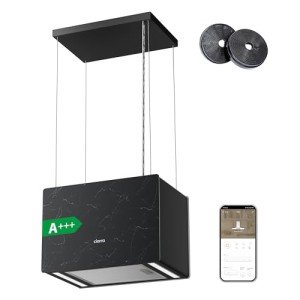
What is an Island Extractor Fan?
An island extractor hoods extractor fan is a kind of kitchen ventilation system designed to hang from the ceiling and is typically installed above a kitchen island. Unlike traditional wall-mounted hoods, island extractors are centered over the cooking location, offering unobstructed airflow and efficient extraction abilities.
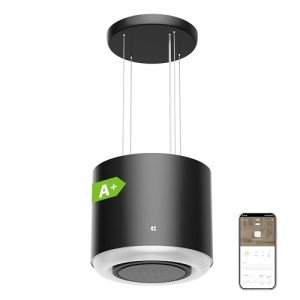
Key Functions of Island Extractor Fans:
- Air Filtration: Island extractors filter out smoke, steam, and grease particles from the air, helping to keep your kitchen and home environment tidy.
- Odor Removal: By expelling unwanted cooking smells, these fans make sure a more pleasant cooking experience.
- Improved Air Quality: Maintaining excellent air quality is vital for health and well-being; island extractor fan kitchen island fans help achieve this by venting out toxins.
- Aesthetic Appeal: With different designs available, island fans can also function as a trendy focal point in contemporary kitchen cooker Island designs.
Types of Island Extractor Fans
island chimney hood extractor fans can be classified based upon their design and functionality, which can affect their choice for various kitchens. Below are the primary kinds of island extractors:
| Type | Description |
|---|---|
| Ducted Hoods | These hoods expel air outside through ductwork, offering ideal ventilation. They require more intricate setup due to the requirement for ducts. |
| Ductless Hoods | These hoods filter air and recirculate it back into the kitchen. They are much easier to set up however might be less reliable for heavy cooking. |
| Convertible Hoods | These versatile hoods can work as either ducted or ductless, providing property owners versatility based upon their kitchen layout. |
Selecting the Right Type
Elements affecting the type of island extractor fan you choose include your cooking routines, kitchen design, and whether you have access to external venting.
Installation of Island Extractor Fans
Installing an island extractor fan needs mindful consideration and preparation to ensure ideal efficiency and safety. Here's a detailed guide to assist in effective installation:
Installation Steps:
Determine Placement: Identify the perfect location for the extractor fan, guaranteeing it is positioned straight above the cooking area.
Step Ceiling Height: Ensure compliance with suggested height allowances which usually suggest mounting the fan between 24 to 30 inches above the cooktop.
Install Electrical Wiring: Ensure that the area has access to electrical points and, if applicable, ductwork for venting.
Protect Structural Support: Since island extractors hang from the ceiling, it's important to offer adequate support, typically requiring additional brackets or framing.
Mount the Hood: Following the maker's instructions, firmly connect the hood to the ceiling.
Link Ductwork (if required): For ducted hoods, connect the required ductwork in accordance with building regulations.
Test Functionality: Once set up, run the fan to ensure it operates properly and effectively.
Maintenance Tips for Island Extractor Fans
Regular upkeep assists in lengthening the life of island extractor fans and preserving optimal performance. Here are a couple of maintenance suggestions:
- Clean Filters: Depending on the type, either tidy or change filters periodically-- normally every three months.
- Clean Down Surfaces: Clean the outside surface areas regularly to avoid grease accumulation.
- Look for Obstructions: Ensure the exhaust ducts are clear of any obstructions to keep air flow.
- Check Electrical Components: Regularly check circuitry and connections to make sure everything remains in safe working order.
Regularly Asked Questions (FAQs)
1. How do I know if I require a ducted or ductless island extractor fan?
Selecting in between ducted and ductless depends on your kitchen design. If your kitchen can accommodate ductwork that leads outside, a ducted fan is more suitable for optimum ventilation. However, if ductwork setup is impractical, a ductless fan might be an appropriate choice.
2. How loud are island extractor fans?
Noise levels vary substantially among different designs. Normally, try to find fans with a noise ranking of 60 decibels or lower for a quieter operation.
3. Can I set up an island extractor fan myself?
While DIY installation is possible, it's suggested to employ an expert, specifically for ducted models, to make sure compliance with building regulations and security policies.
4. How often should I clean up the filters of an island extractor fan?
It's a good idea to clean or replace the filters every three months or when you observe decreased performance in air filtration.
5. What is the average expense of an island extractor fan?
Rates can range substantially based upon brand, model, and functions, usually costing anywhere from ₤ 300 to ₤ 2,000. Setup costs need to likewise be thought about.
In summary, island extractor fans are essential in keeping a clean and efficient cooking environment. They not only boost kitchen visual appeals but also improve air quality and cooking experience. By comprehending the types offered, installation procedures, and maintenance regimens, property owners can make informed choices regarding their kitchen ventilation requirements. Appreciating the significance of these devices can influence the overall performance and convenience of a contemporary kitchen.
- 이전글7 Useful Tips For Making The Most Of Your Single Ovens 25.05.20
- 다음글경산오피 [오피가자.COM] 북구출장안마 25.05.20
댓글목록
등록된 댓글이 없습니다.