Are You Making The Most The Use Of Your Container Leasing?
페이지 정보

본문
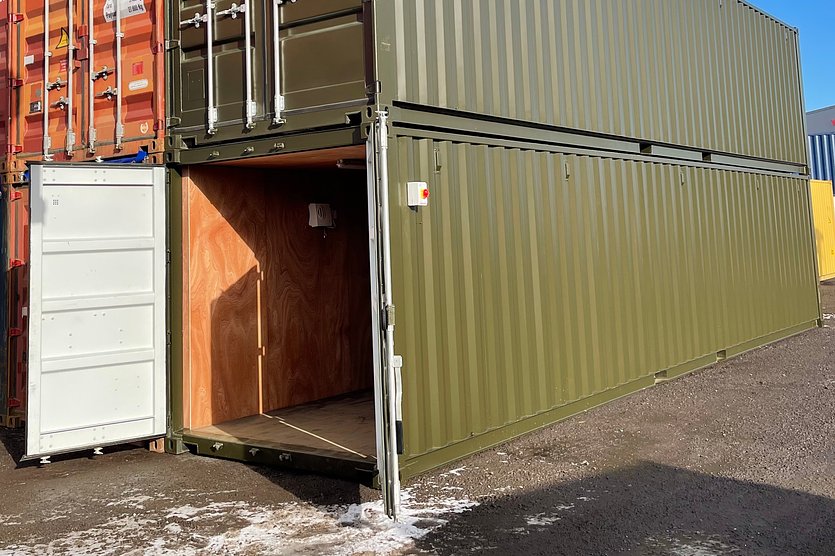
Container Relocation: An Informative Overview
In today's hectic worldwide economy, container relocation has actually become a crucial aspect of logistics and supply chain management. With the increase in international trade, the requirement for efficient transportation and relocation of containers is essential for services to grow. This article explores the various aspects of container relocation, its processes, significance, challenges, and FAQs, supplying a thorough guide for services and logistics professionals.
What is Container Relocation?
Container relocation refers to the process of transporting shipping containers from one place to another. This could include moving containers from ports to storage facilities, from making sites to packing docks, or perhaps moving them to various lawns for storage. The containers, typically made from steel and designed for transporting goods by sea, land, or air, should be handled with care to avoid damage to both the container and its contents.
Significance of Container Relocation
Recognizing the significance of container relocation can cause improved functional effectiveness, reduced costs, and boosted consumer fulfillment.
Streamlined Operations: Effective container relocation makes sure smooth transitions between different points in the supply chain, lessening delays and enhancing general operational performance.
Expense Efficiency: By enhancing container handling and transportation, companies can reduce costs associated with logistics and storage.
Improved Customer Satisfaction: Timely delivery of products straight effects customer satisfaction. Effective container relocation facilitates conference delivery deadlines.
The Process of Container Relocation
Container relocation is a diverse procedure that involves a number of essential steps. Understanding this procedure is important for companies taken part in logistics and supply chain management.
Action 1: Planning and Coordination
Preparation is the first vital action in container relocation. It involves coordinating with stakeholders to determine:
- Pick-up and drop-off locations
- Scheduling of transportation
- Type of cargo and number of containers
Action 2: Container Inspection
Before relocation, a comprehensive examination of the container is necessary to guarantee it's in great condition. This includes:
- Checking for structural integrity
- Validating tidiness and suitability for its contents
- Ensuring that it meets safety requirements
Step 3: Loading and Securing
When examined, the container is packed with cargo. Throughout filling, it's important to secure the cargo to avoid movement throughout transport. Common security measures consist of:
- Using straps or chains
- Using dunnage and other obstructing materials
Step 4: Transportation
After filling, the container is prepared for transport. The mode of transport can differ depending upon the range and logistics abilities. Common modes of transportation include:
- Truck: Ideal for brief distances and road transport.
- Rail: Suitable for bulk shipments over longer land distances.
- Ship: Essential for international trade and abroad shipping.
Step 5: Unloading and Final Delivery
Upon arrival at the location, the container is unloaded, and the cargo is delivered to the last place. Post-delivery, the container may require to be carried back to a depot or staging area for future usage.
Obstacles in Container Relocation
Despite its significance, container relocation poses a number of challenges that companies need to browse to achieve efficiencies.
1. Logistics Coordination
Handling logistics can be complicated, particularly when dealing with multiple stakeholders, including shipping companies, port authorities, and customs.
2. Weather condition Conditions
Bad weather condition can lead to delays in transportation, affecting schedules and potentially causing monetary losses.
3. Regulatory Compliance
Various areas have unique guidelines concerning transportation and handling of goods, making it vital for companies to remain compliant to avoid charges.
4. Damage Risks
There is always a threat of damage during the relocation procedure. Ensuring appropriate handling and adherence to safety requirements is crucial to reducing this threat.
5. Expense Fluctuations
Container relocation costs can fluctuate due to fuel prices, tariffs, and other elements, making it vital for companies to anticipate modifications and change budget plans appropriately.
FAQs about Container Relocation
Q1: What kinds of containers are used for relocation?A1: Common types of containers include standard dry containers, refrigerated containers, and open-top containers. The choice depends upon the nature of the cargo being moved. Q2: How can I reduce costs in Container Storage relocation?A2: Companies can decrease costs by optimizing routes, consolidating
deliveries, utilizing intermodal transportation, and partnering with efficient logistics service providers. Q3: What is the function of technology in container relocation?A3: Technologies such as GPS tracking,inventory management systems, and automated scheduling tools can improve visibility, enhance operations, and lower human error. Q4: What need to I carry out in case of damage to a container?A4: Immediately report the damage to your logistics provider and record
the condition of the container and its contents. Insurance coverage
might cover losses if effectively documented. Q5: How long does container relocation normally take?A5: The duration differs extensively depending on the range, mode of transport, and logistics intricacy.

- 이전글This Story Behind Buy Driver's License Certificate Can Haunt You Forever! 25.05.04
- 다음글The 9 Things Your Parents Taught You About Driving Lessons Scunthorpe 25.05.04
댓글목록
등록된 댓글이 없습니다.