Why The What Is A Landlord Gas Safety Certificate Is Beneficial When C…
페이지 정보

본문
What is a Landlord Gas Safety Certificate?
If you're a landlord it's crucial to know your responsibilities in relation to the gas safety of your property. Landlords must comply with the Gas Safety (Installation and Use) Regulations 1998.
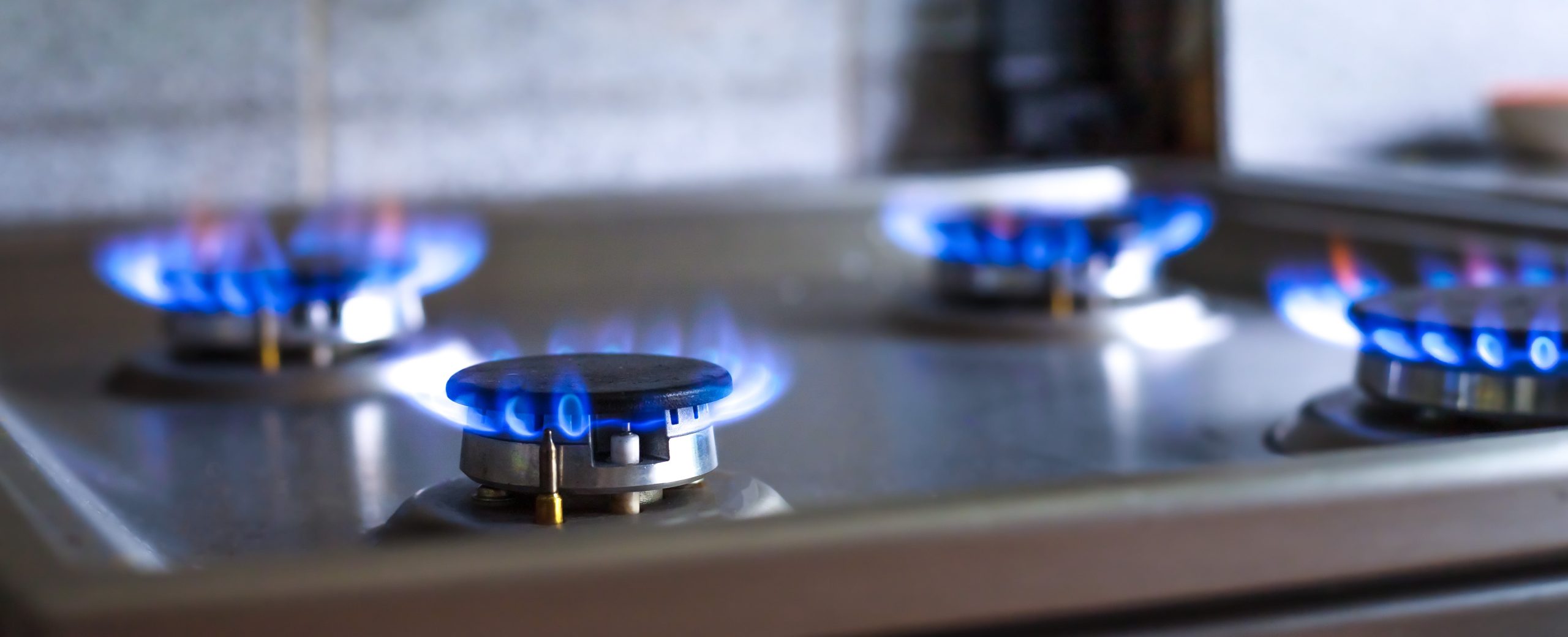 You should arrange for your onsite appliances and flues to be checked each year by an Gas Safe registered engineer. You should also provide the gas safety certificate to every tenant.
What is a gas safety certificate For landlords (80.82.64.206)?
A gas safety certificate for landlords is a formal document that an Gas Safe registered engineer gives to the owner of a property following carrying out a safety check. This should include all of the information about the properties gas pipework, flues and appliances that are checked for safety. Landlords are legally responsible for ensuring that all of these items are in good functioning order and provide their tenants with copies of the completed form.
The law requires that every landlord has their property inspected and get a new gas safety certificate every 12 months. However, the regulations also require landlords to plan their inspections no more than one month prior to when the date on which their current certificate is due to expire. This helps them avoid any gaps in coverage and offer the most secure protection to their tenants.
To obtain a landlord's Gas Safety certificate An engineer who is registered with Gas Safe will need to visit the property. The engineer will perform a full examination of all gas appliances and installation pipework within the property. In addition, the engineer will also test the emergency control for each appliance. The engineer will also test the emergency control for each appliance.
If the tenant is unwilling to allow the landlord to in, the landlord can try to persuade them by sending them an email that explains the reason for the checks and what will happen to them if they refuse to allow them to enter. If this fails the landlord may think about initiating the eviction process by serving them with an Section 21 notice.
You must provide your tenants a copy of a completed Landlord Gas Safety Record, within 28 days of every check. It should be handed out to existing tenants as well as any new tenants, prior to the time they move into the property. You should also keep the original records for a period of 2 years.
What is a tenant gas safety certificate?
In general, landlords are accountable for ensuring that all gas appliances in their properties are checked annually by an Gas Safe certified engineer. The cost could range from PS60 to PS120 based on the nature of the inspection. The engineer will issue the CP12 (Landlord Gas Safety Record) to the landlord following the inspection, and it must be handed over to tenants within four weeks of the test being completed. This document serves as an official record of the tests and should be kept by the landlord for two years after the date of the first inspection, however it is recommended that they are stored online to reduce the amount of paper that is thrown away.
Landlords must also make sure that they have access to the property in order to carry out the annual service and gas safety checks. If a tenant does not admit access, the law states that the landlord must take all 'reasonable steps' to gain access to carry out the check. It could be necessary to contact the tenant in writing, asking them to contact an engineer directly and repeatedly request entry. You can also contact the local council, who might be able to send an official to explain why it's important to allow access for safety and maintenance inspections.
If the tenant is unwilling to allow access and the landlord is considering eviction. While this should be considered a last resort however, it is a legal right for the landlord to evict a tenant who refuses to cooperate with security checks. This can be a difficult process, so landlords must consult a lawyer before taking such a step.
The landlord is responsible for all gas pipes and flues, appliances and other equipment that they own and offer to tenants. This applies even if the property is completely or partially sub-leased by the landlord to third parties, however the original landlord and anyone who takes on the responsibility through contractual arrangements should cooperate, with a clear division of duties, to ensure that the legal requirements are fully met.
It is crucial to determine whether a landlord has employed a managing agent for their rental properties. They should also inquire who is responsible for scheduling gas safety tests. Certain agents will be able to take on this responsibility, however you must check with the agency to confirm that you are covered.
What is a sub-let gas safety certification?
When a landlord leases their property, they have to ensure that it is safe for the residents who reside there. A gas safety certificate shows that all the gas appliances and flues within the property have been checked and deemed safe by an experienced gas engineer. It's the responsibility of the landlord to ensure that they have their gas safety checks completed each year, and to ensure that copies are given to the tenants who reside there. The checks must be performed by an Gas Safe registered engineer. The CP12 form must contain the Gas Safe engineer's ID number and the date of issue.
It is also an obligation of law that the landlord hand the tenants a copy the gas safety certificate within 28 days of any tests being completed. The landlord must also provide a copy CP12 to any new tenants before they move in.
This rule is not applicable in the case of a property that has been let out for a brief period of time, like an apartment for students or a holiday cottage. It's recommended to include details of these exemptions in your tenancy agreement since it can save you a lot of stress and legal issues in the future.
If a landlord discovers that any of their flues or appliances aren't safe during the process of an inspection, they must make arrangements for them to be repaired as soon as they can. This may require the disconnection and reconnecting of the gas supply. Landlords are responsible for ensuring that their gas engineers are how often gas safety certificate Safe registered, and must check their identity by seeing their photocard before carrying out any work.
Despite the exemptions mentioned above, the rules for gas safety inspections for landlords and landlords are very strict and must be followed. If the landlord is found not comply with the regulations, they could face prosecution and could face penalties of fines or even jail time for the person who is in breach.
If you're a landlord and want to arrange for an inspection of your gas safety, Total Landlord can help. Gas Safe engineers can visit your property to carry out an extensive inspection and issue a CP12 certificate. Our prices are reasonable and we can provide an same-day service for emergency situations. Contact us or visit our website for more details.
What is an annual gas safety check?
You are legally responsible for gas safety certificate for landlords an annual gas safety certificate how often safety inspection every year if you lease out the entirety or a portion of your home. This includes checking the boiler service and gas safety certificate and other gas appliances like pipes and flues, as well as any fittings and fixtures that use or exhaust gas.
A certified Gas Safe engineer will inspect your property and make sure that everything is current and safe. They will test all the gas appliances and flues and check for signs of leaking or carbon monoxide poisoning. They will also ensure that the gas is turned on and that the gas meter is filled up.
It is a good idea to give your tenants copies of the completed gas safety record after the inspection and check was carried out. It must be given to tenants in the period of 28 days and to new tenants prior to moving in. You should keep an original copy for yourself and any agents that you use.
Landlords must arrange and gas safety certificate for landlords pay for gas safety certificate grace period safety certificates and inspections for their properties. If a tenant refuses access to allow the check or maintenance work to be carried out it is your responsibility to take'reasonable steps' to gain access. This may include sending a strongly worded letter explaining why you require access to the property and what the safety checks will involve. If the tenant is unwilling to give you access and you are not able to gain access, you might want to consider a Section 21 eviction.
Your annual gas safety inspection is included in your Hometree landlord insurance policy. You don't have to worry about arranging it separately, or when you'll have to do it. You can rest assured that our team will be available to help you if you need to update your policy information or renew your policy.
For more information about our landlord insurance packages check out the Hometree website. Register for an estimate to find out more about the coverage and costs. Our guarantee of no price hikes means that you won't pay more for your annual premium than the inflation rate in the first year.
If you're a landlord it's crucial to know your responsibilities in relation to the gas safety of your property. Landlords must comply with the Gas Safety (Installation and Use) Regulations 1998.
You should arrange for your onsite appliances and flues to be checked each year by an Gas Safe registered engineer. You should also provide the gas safety certificate to every tenant.What is a gas safety certificate For landlords (80.82.64.206)?
A gas safety certificate for landlords is a formal document that an Gas Safe registered engineer gives to the owner of a property following carrying out a safety check. This should include all of the information about the properties gas pipework, flues and appliances that are checked for safety. Landlords are legally responsible for ensuring that all of these items are in good functioning order and provide their tenants with copies of the completed form.
The law requires that every landlord has their property inspected and get a new gas safety certificate every 12 months. However, the regulations also require landlords to plan their inspections no more than one month prior to when the date on which their current certificate is due to expire. This helps them avoid any gaps in coverage and offer the most secure protection to their tenants.
To obtain a landlord's Gas Safety certificate An engineer who is registered with Gas Safe will need to visit the property. The engineer will perform a full examination of all gas appliances and installation pipework within the property. In addition, the engineer will also test the emergency control for each appliance. The engineer will also test the emergency control for each appliance.
If the tenant is unwilling to allow the landlord to in, the landlord can try to persuade them by sending them an email that explains the reason for the checks and what will happen to them if they refuse to allow them to enter. If this fails the landlord may think about initiating the eviction process by serving them with an Section 21 notice.
You must provide your tenants a copy of a completed Landlord Gas Safety Record, within 28 days of every check. It should be handed out to existing tenants as well as any new tenants, prior to the time they move into the property. You should also keep the original records for a period of 2 years.
What is a tenant gas safety certificate?
In general, landlords are accountable for ensuring that all gas appliances in their properties are checked annually by an Gas Safe certified engineer. The cost could range from PS60 to PS120 based on the nature of the inspection. The engineer will issue the CP12 (Landlord Gas Safety Record) to the landlord following the inspection, and it must be handed over to tenants within four weeks of the test being completed. This document serves as an official record of the tests and should be kept by the landlord for two years after the date of the first inspection, however it is recommended that they are stored online to reduce the amount of paper that is thrown away.
Landlords must also make sure that they have access to the property in order to carry out the annual service and gas safety checks. If a tenant does not admit access, the law states that the landlord must take all 'reasonable steps' to gain access to carry out the check. It could be necessary to contact the tenant in writing, asking them to contact an engineer directly and repeatedly request entry. You can also contact the local council, who might be able to send an official to explain why it's important to allow access for safety and maintenance inspections.
If the tenant is unwilling to allow access and the landlord is considering eviction. While this should be considered a last resort however, it is a legal right for the landlord to evict a tenant who refuses to cooperate with security checks. This can be a difficult process, so landlords must consult a lawyer before taking such a step.
The landlord is responsible for all gas pipes and flues, appliances and other equipment that they own and offer to tenants. This applies even if the property is completely or partially sub-leased by the landlord to third parties, however the original landlord and anyone who takes on the responsibility through contractual arrangements should cooperate, with a clear division of duties, to ensure that the legal requirements are fully met.
It is crucial to determine whether a landlord has employed a managing agent for their rental properties. They should also inquire who is responsible for scheduling gas safety tests. Certain agents will be able to take on this responsibility, however you must check with the agency to confirm that you are covered.
What is a sub-let gas safety certification?
When a landlord leases their property, they have to ensure that it is safe for the residents who reside there. A gas safety certificate shows that all the gas appliances and flues within the property have been checked and deemed safe by an experienced gas engineer. It's the responsibility of the landlord to ensure that they have their gas safety checks completed each year, and to ensure that copies are given to the tenants who reside there. The checks must be performed by an Gas Safe registered engineer. The CP12 form must contain the Gas Safe engineer's ID number and the date of issue.
It is also an obligation of law that the landlord hand the tenants a copy the gas safety certificate within 28 days of any tests being completed. The landlord must also provide a copy CP12 to any new tenants before they move in.
This rule is not applicable in the case of a property that has been let out for a brief period of time, like an apartment for students or a holiday cottage. It's recommended to include details of these exemptions in your tenancy agreement since it can save you a lot of stress and legal issues in the future.
If a landlord discovers that any of their flues or appliances aren't safe during the process of an inspection, they must make arrangements for them to be repaired as soon as they can. This may require the disconnection and reconnecting of the gas supply. Landlords are responsible for ensuring that their gas engineers are how often gas safety certificate Safe registered, and must check their identity by seeing their photocard before carrying out any work.
Despite the exemptions mentioned above, the rules for gas safety inspections for landlords and landlords are very strict and must be followed. If the landlord is found not comply with the regulations, they could face prosecution and could face penalties of fines or even jail time for the person who is in breach.
If you're a landlord and want to arrange for an inspection of your gas safety, Total Landlord can help. Gas Safe engineers can visit your property to carry out an extensive inspection and issue a CP12 certificate. Our prices are reasonable and we can provide an same-day service for emergency situations. Contact us or visit our website for more details.
What is an annual gas safety check?
You are legally responsible for gas safety certificate for landlords an annual gas safety certificate how often safety inspection every year if you lease out the entirety or a portion of your home. This includes checking the boiler service and gas safety certificate and other gas appliances like pipes and flues, as well as any fittings and fixtures that use or exhaust gas.
A certified Gas Safe engineer will inspect your property and make sure that everything is current and safe. They will test all the gas appliances and flues and check for signs of leaking or carbon monoxide poisoning. They will also ensure that the gas is turned on and that the gas meter is filled up.
It is a good idea to give your tenants copies of the completed gas safety record after the inspection and check was carried out. It must be given to tenants in the period of 28 days and to new tenants prior to moving in. You should keep an original copy for yourself and any agents that you use.
Landlords must arrange and gas safety certificate for landlords pay for gas safety certificate grace period safety certificates and inspections for their properties. If a tenant refuses access to allow the check or maintenance work to be carried out it is your responsibility to take'reasonable steps' to gain access. This may include sending a strongly worded letter explaining why you require access to the property and what the safety checks will involve. If the tenant is unwilling to give you access and you are not able to gain access, you might want to consider a Section 21 eviction.
Your annual gas safety inspection is included in your Hometree landlord insurance policy. You don't have to worry about arranging it separately, or when you'll have to do it. You can rest assured that our team will be available to help you if you need to update your policy information or renew your policy.
For more information about our landlord insurance packages check out the Hometree website. Register for an estimate to find out more about the coverage and costs. Our guarantee of no price hikes means that you won't pay more for your annual premium than the inflation rate in the first year.
- 이전글This Week's Top Stories Concerning What Is Gas Safety Certificate 25.02.15
- 다음글10 Healthy Gas Safety Certificates Habits 25.02.15
댓글목록
등록된 댓글이 없습니다.